

Pipe crawling robot and testing needs
Pipe crawling robots are often used for special operations inside pipelines. They need to go deep into pipeline spaces that cannot or are difficult for personnel to enter to carry out operation details. Because the operation location is often difficult for people to reach, it often needs to be implemented in an automated way. Therefore, there are high requirements for the operation accuracy and stability of the pipeline crawling robot, and it needs to be tested and evaluated.
Difficulties of measurement
The measurement and evaluation of the operation accuracy and operation stability of the above-mentioned pipeline crawling robot often needs to be carried out in its movement state. Traditional measurement tools and means are difficult to achieve high-quality dynamic data collection, which requires a more modern measuring instrument that can ensure the dynamic collection method and measurement accuracy at the same time.
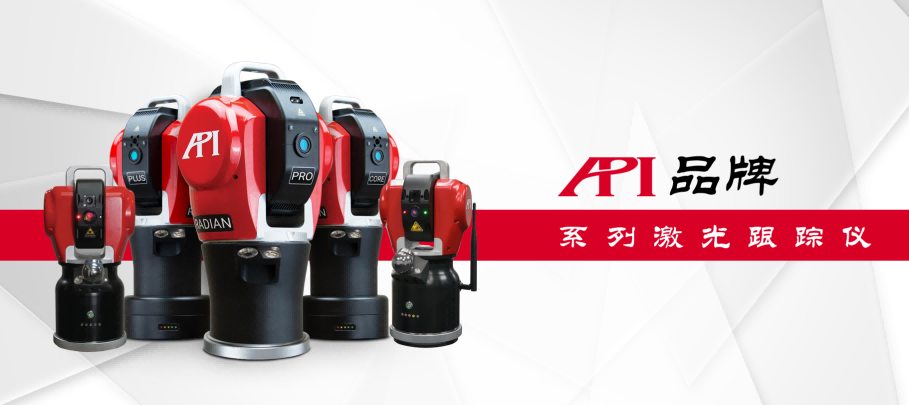
Figure 1: API series laser tracker (model from left to right: iLT / Radian Plus / Radian Pro / Radian Core / iLTx)
API laser tracker solution
API's Radian and iLT series laser trackers are three-dimensional measuring instruments with dynamic counting ability and ultra-high measurement accuracy.
Radian and iLT series laser trackers have micron-level (μm, 1/1000mm) measurement accuracy and a large measurement range (measurement radius of more than 80 meters). Its data acquisition rate reaches 1000Hz (1000 points/second), which can easily meet the pipe climbing The detection needs of dynamic measurement of robots.
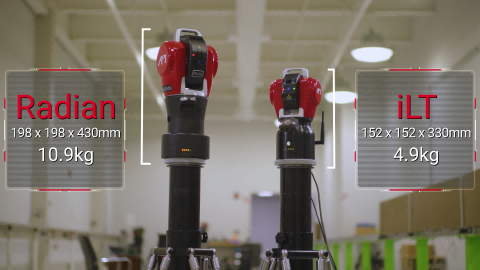
Figure 2: Radian laser tracker (left) and iLT laser tracker (right)
Among them, the Radian Pro model laser tracker also integrates IFM interference laser, and the measurement data can be traced; the Radian Plus/Core model adopts a completely wireless measurement platform to realize radio power and data transmission, making the measurement comfortable; iLT series laser On the basis of the functions of the Radian series, the tracker reduces the volume and weight of the host by nearly 50%, which is more suitable for portable measurement and integrated measurement of production lines.
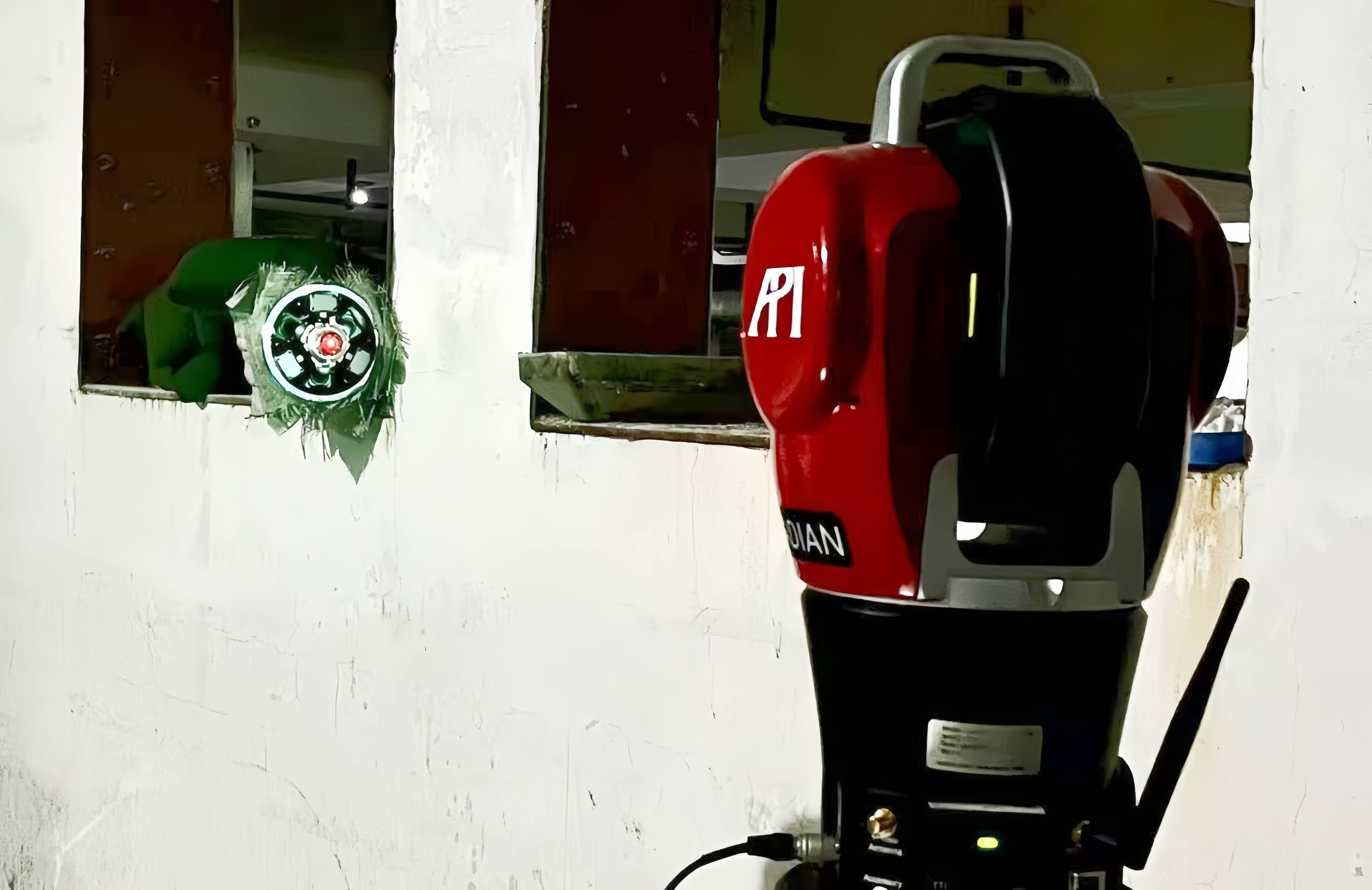
Figure 3: Pipeline crawling robot detection site
Implementation of measurement
For the measurement of the operation accuracy and stability of the pipeline crawling robot in this case, it can be implemented by dynamically measuring the movement trajectory of the crawling robot, evaluating its straightness, and comparing the parallelism with the pipeline axis.
When measuring, first place the API laser tracker in the appropriate position at one end of the pipeline to ensure that the laser can pass through the pipe to cover the detection path; then fix the high-precision target ball (SMR) at the end of the crawling robot; then the laser tracker shoots the laser to the center of the target ball and lock it; the crawling robot crawls along the set At the same time, the tracker tracks and dynamically collects the position of the center of the target ball in real time, and feeds it back to the measurement software for subsequent analysis.
After the crawling robot path data is collected, the collected point cloud data can be used to build a theoretical straight line and evaluate its straightness on the measurement software, and then compare the parallelism with the central axis of the pipe measured and fit in advance, so as to finally achieve the accuracy of the operating position and stability of the crawling robot. The purpose of evaluation.
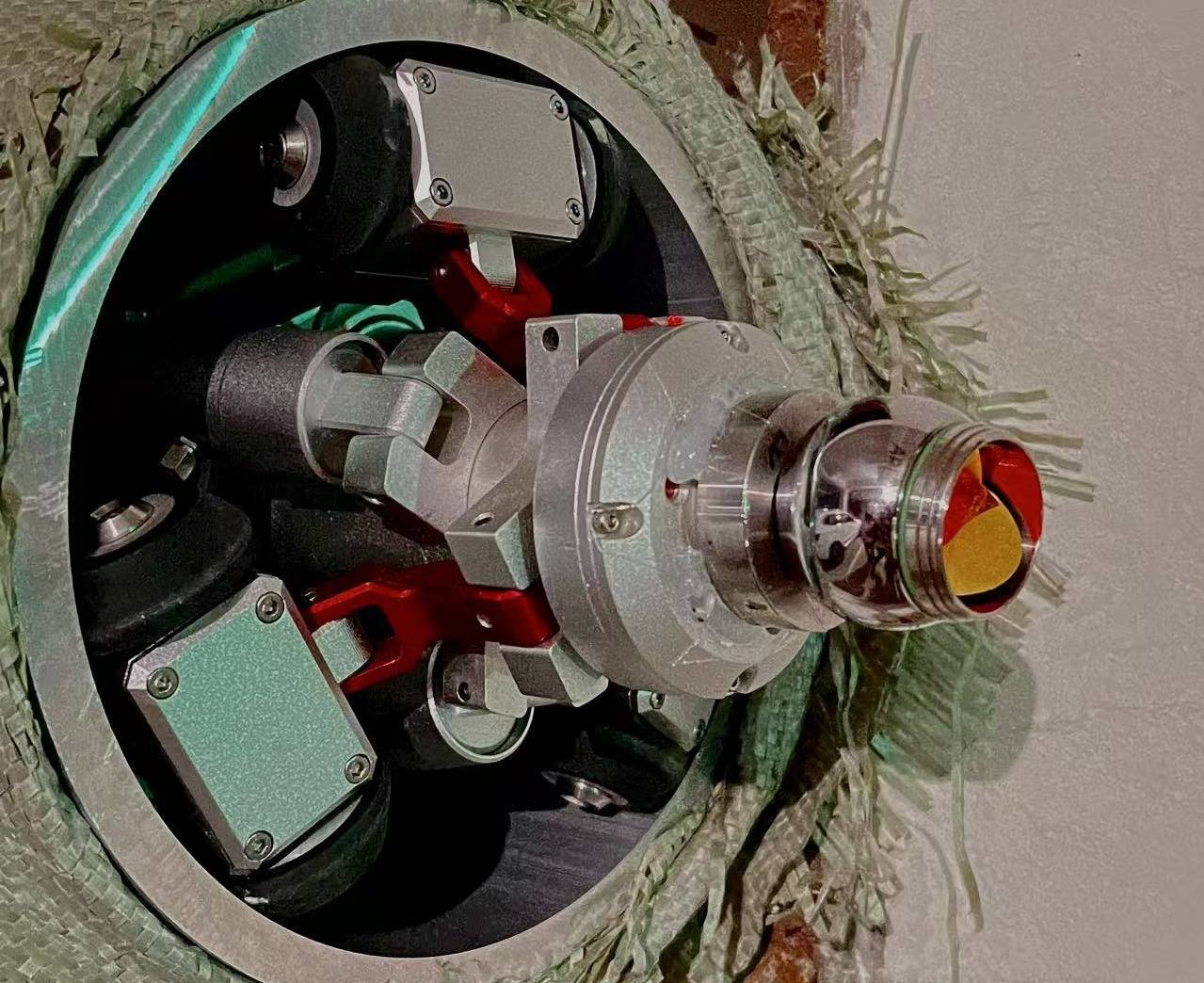
Figure 4: Pipeline crawling robot testing site - the layout of the tracker target ball
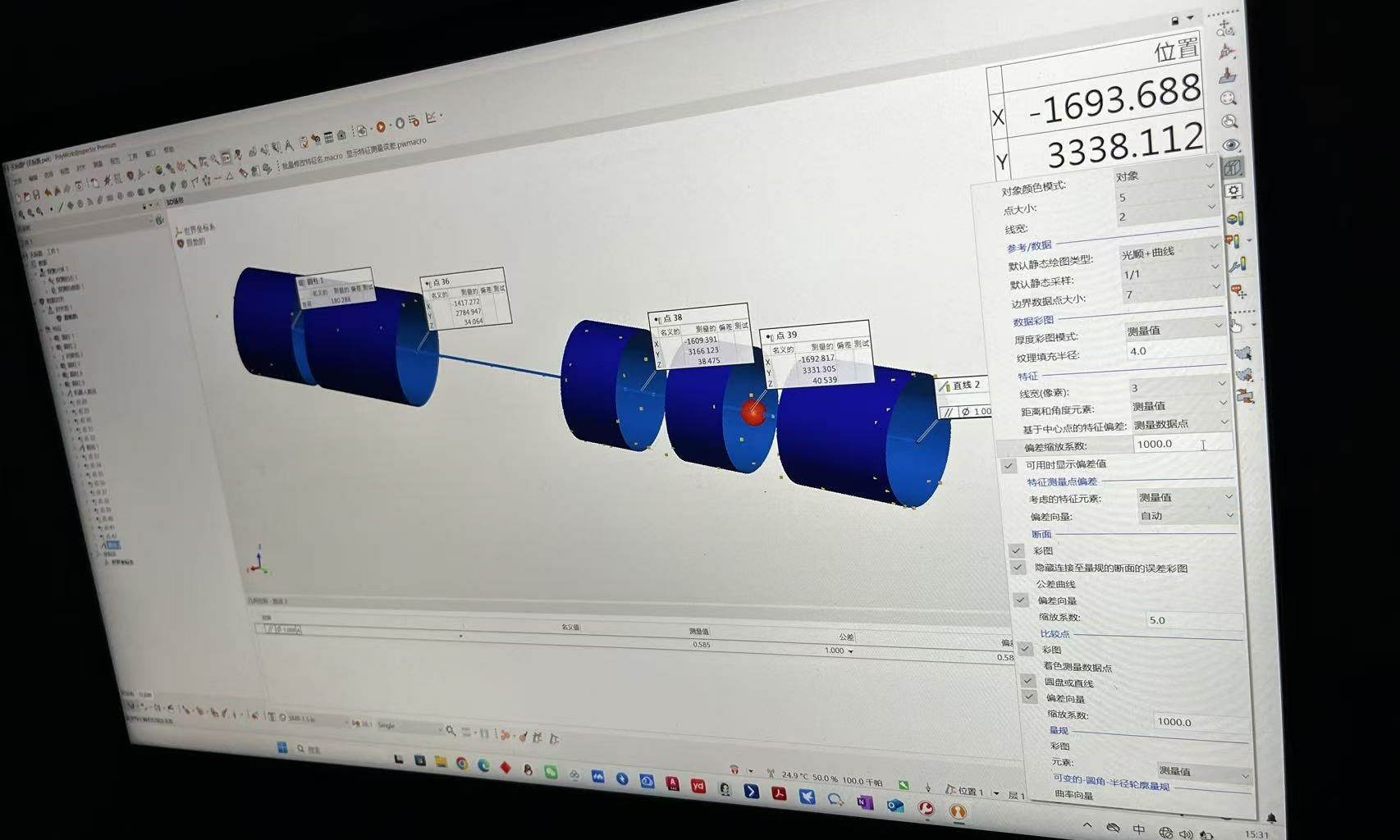
Figure 5: Measurement Data and Analysis
More expansion
Based on the ultra-high extraction rate of the API series laser tracker, in addition to the dynamic measurement and acquisition of the crawling trajectory of the pipe crawling robot introduced in this case, the API laser tracker can also serve the following scenarios that require high-precision dynamic three-dimensional/six-dimensional data acquisition:
√ Measurement and monitoring of AGV/AMR trajectory;
√ Measurement and monitoring of UAV trajectory;
√ Dynamic measurement of the trajectory of robots such as humanoid/industrial/collaboration/medical;
√ Dynamic detection of the six-degree-of-freedom platform (six-foot platform);
√ Dynamic detection of parallel machine tools;
√ Dynamic performance test of construction machinery lifting platform/cabin and other movable components;
√ Performance detection of building line drawing robot;
√ and more...
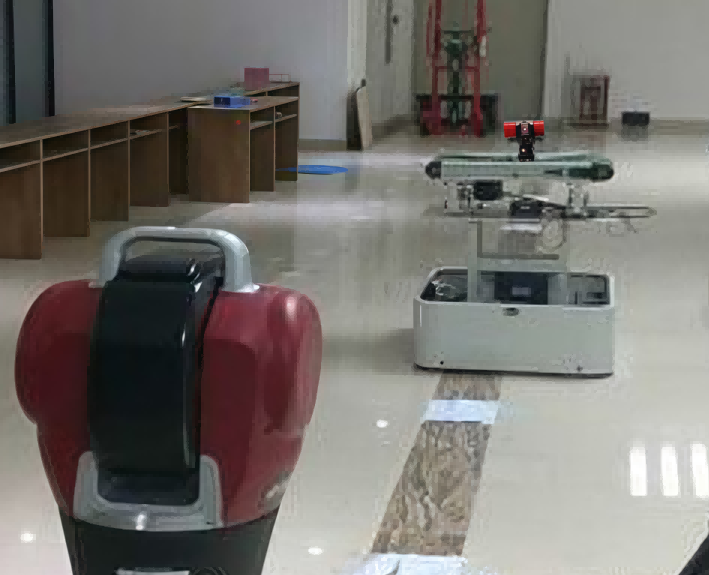
Figure 6: Radian laser tracker AGV dynamic measurement and testing site
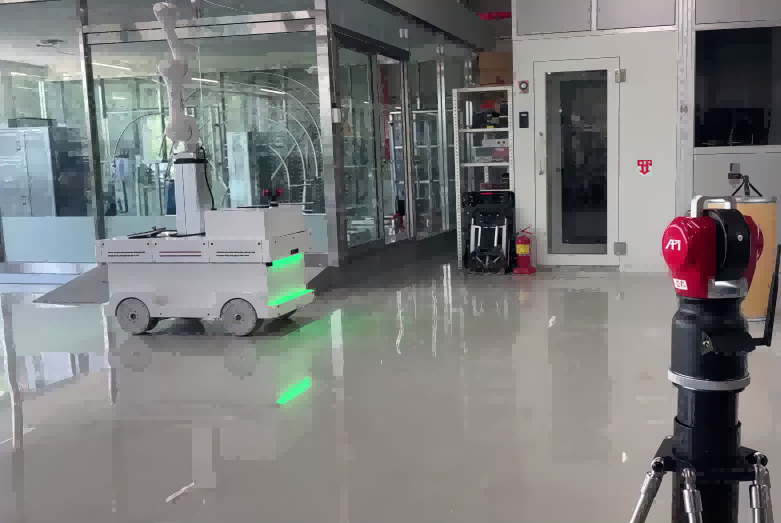
Figure 7: iLTx laser tracker AMR dynamic measurement and detection site
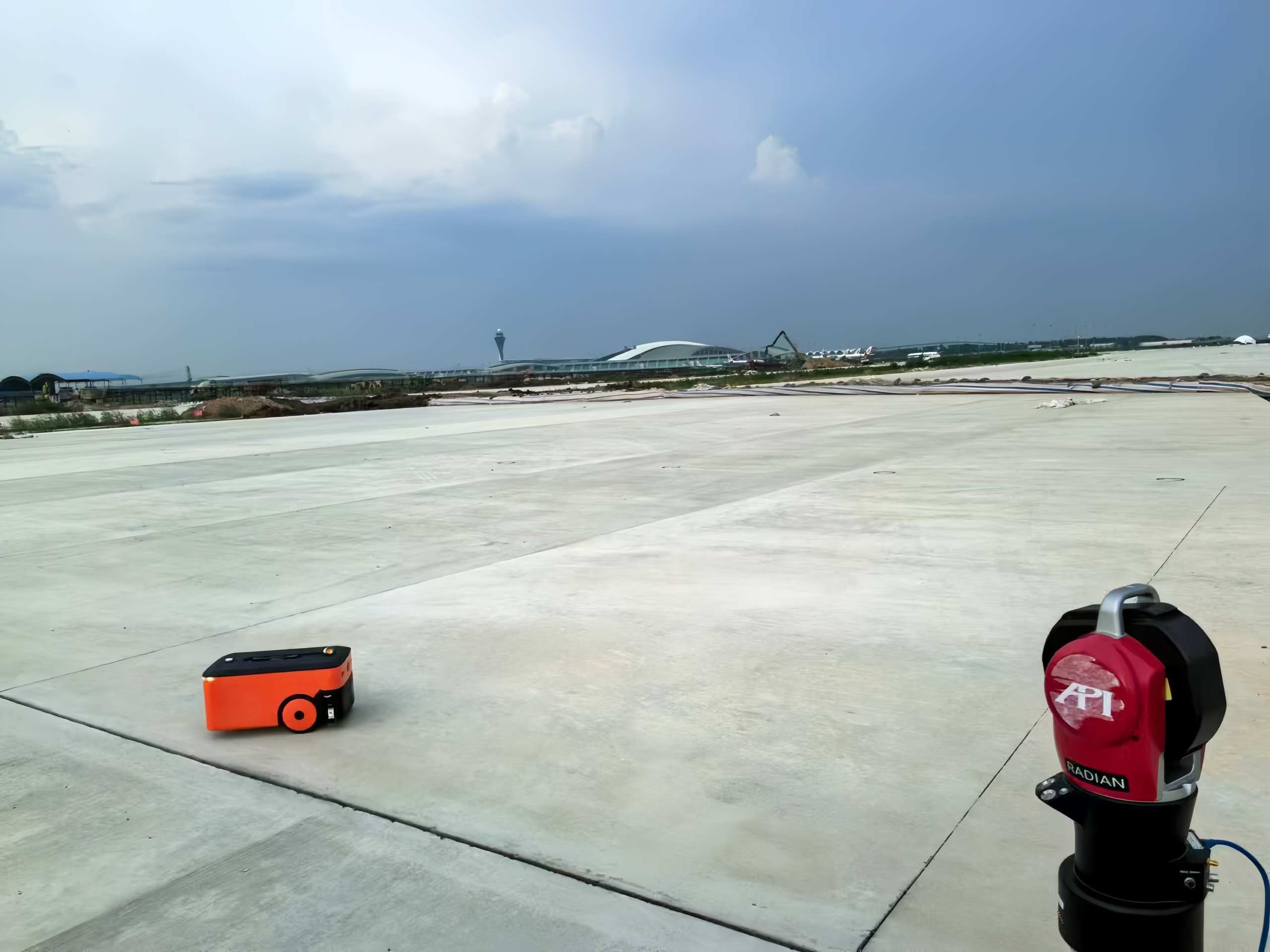
Figure 8: Radian laser tracker building line drawing robot dynamic detection site
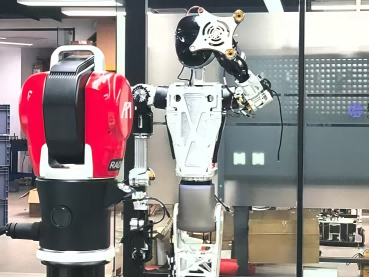
Figure 9: Radian laser tracker humanoid robot dynamic trajectory detection site
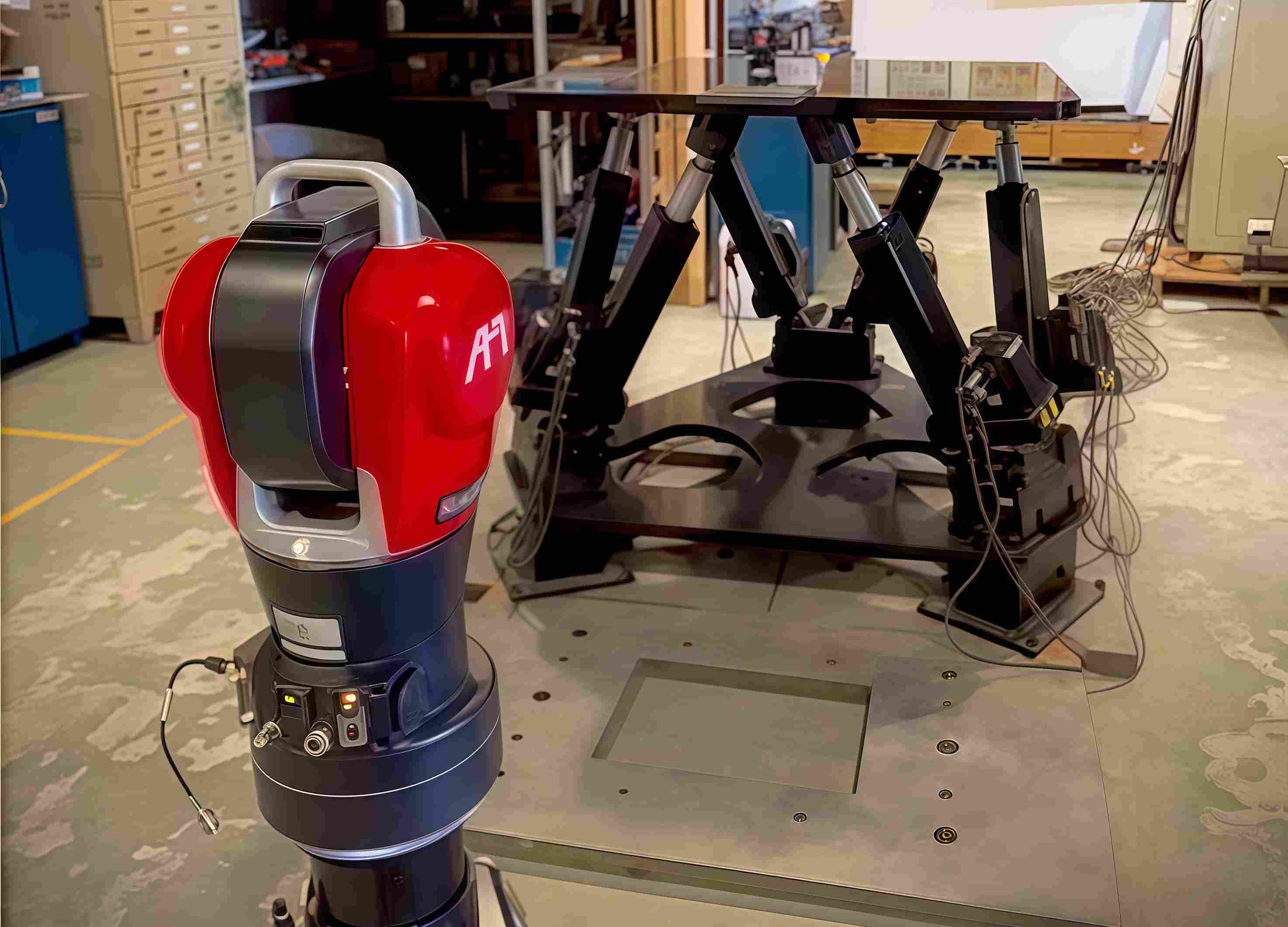
Figure 10: Dynamic measurement and detection site of Radian laser tracker six degrees of freedom platform
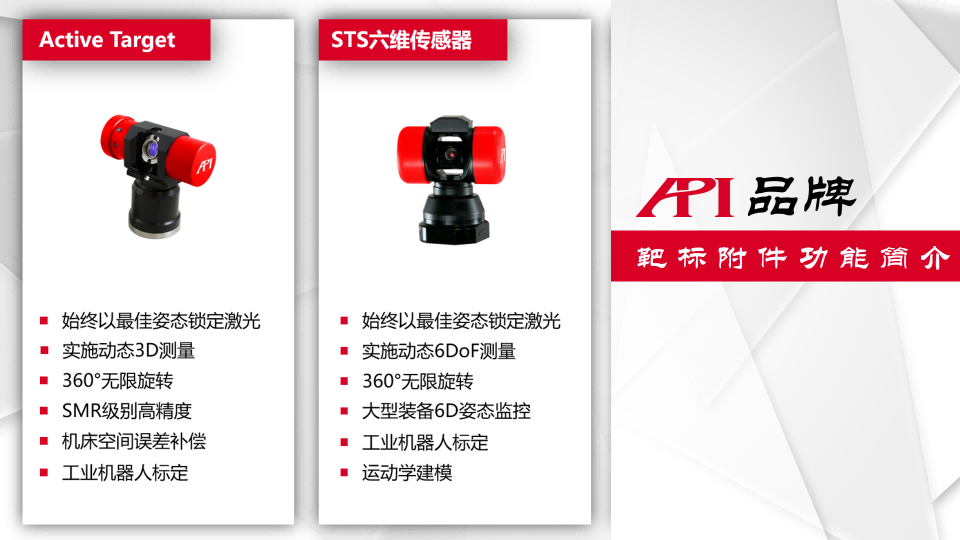
Figure 11: API laser tracker dynamic three-dimensional/six-dimensional measurement accessory function introduction
Brief summary
With its micron-level measurement accuracy, large-scale measurement range, and excellent dynamic measurement ability, the API series laser tracker can easily meet the scenarios that require dynamic three-dimensional/six-dimensional data collection in pipeline crawling robots and other fields, making the measurement operation more accurate and efficient.